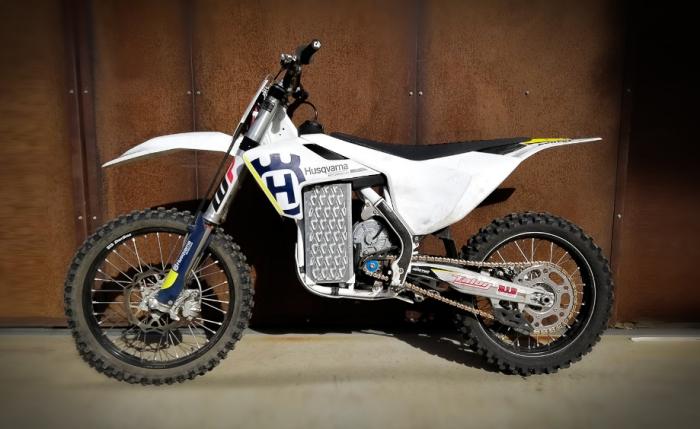
Let’s be honest—gas prices are wild, and the hum of an engine isn’t as thrilling when you’re coughing up fumes. What if you could turn your old motorcycle into a silent, electric powerhouse? That’s where electric motorcycle conversion kits come in. No need to drop £10K on a new electric bike. With some elbow grease and the right guide, you can DIY your way to a cleaner ride.
Why Convert? The Case for Going Electric
Electric Motorcycle Conversion Kits: What’s Inside?
Hub Motor vs. Mid-Drive: Which One’s Right for You?
The DIY Conversion Process: A Step-by-Step Snapshot
Cost savings—A decent kit runs £1,500–£5,000 versus £10,000+ for new electric top end Motocross bikes.
Eco-cred—Zero emissions, no oil changes, and whisper-quiet rides.
Nostalgia meets innovation—Keep your favourite bike’s frame but ditch the gas-guzzling guts.
DIY pride—Nothing beats the bragging rights of saying, “Yeah, I built this.”
That said, it’s not all rainbows. Range anxiety and charging logistics are real hurdles. But with lithium-ion batteries getting better (and cheaper), the math’s leaning toward electric.
Electric Motorcycle Conversion Kits: What’s Inside?
Think of a conversion kit as a Lego set for grown-ups—except instead of a spaceship, you’re building a vehicle. Most kits include:
Motor (hub motor or mid-drive)
Battery pack (usually lithium-ion)
Controller (the brain of the operation)
Throttle (often twist-grip)
Charger (because dead batteries are sad and bad ha ha)
Wiring harness (spaghetti of doom, but necessary)
Some kits throw in extras like regenerative braking or Bluetooth diagnostics. Fancy.
Hub Motor vs. Mid-Drive: Which One’s Right for You?
This is the big question. Here’s the breakdown:
Hub Motor Mid-Drive
Fits inside the wheel (front or rear) Mounts near the bike’s crank
Simpler installation Better weight distribution
Less efficient on hills Uses the bike’s gears—great for torque
Cheaper More expensive
If you’re converting a cruiser for city commutes, a hub motor’s probably fine. But if you’re tackling mountains? Mid-drive’s your buddy.
The DIY Conversion Process: A Step-by-Step Snapshot
Okay, let’s get our hands dirty. Here’s the rough roadmap—every bike’s different, so treat this as a guideline, not gospel.
Common Pitfalls—And How to Dodge Them
Even seasoned mechanics hit snags. Here’s what trips people up:
Is Converting Worth It? The Real Cost Breakdown
Let’s crunch numbers. A mid-tier kit runs £3,000. Add a little for tools you might not own (torque wrench, crimpers, etc.). Compare that to a new electric motorcycle—even the “budget” ones start at £6,000.
The Future of DIY Electric Motorcycles
Battery tech is evolving fast. Solid-state batteries could make conversions lighter and cheaper. Meanwhile, cities are adding charging stations like Starbucks franchises. The golden age of electric tinkering? It’s just starting.
So, should you convert? If you love your bike, hate gas stations, and don’t mind getting grease under your nails—absolutely. Just don’t rush. After all, the best rides aren’t just built; they’re earned.